
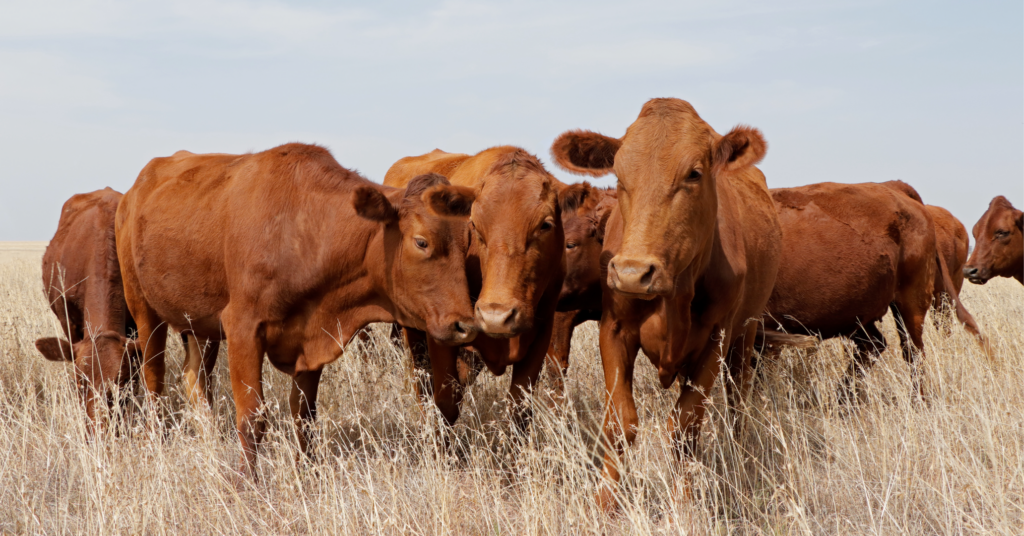
Colorado has a rich history of cattle ranching dating back to the 1800s, when open ranges and expansive cattle ranches dominated the rural landscape. Eventually, conflicts over grazing lands erupted between both cattle ranchers and sheep herders, leading to increased regulation in an attempt to keep the peace.
Today, ranchers need to have a good understanding of the rules governing private, state, and federal lands to run a successful operation. In Colorado, livestock owners are not required to fence their livestock in. Instead, landowners must “fence out” unwanted livestock herds, as established by Colorado Revised Statutes (C.R.S.) section 35-46-102, generally referred to as the “fence out” law or “fence statute.”
Maintaining good fences and good neighbors
Essentially, maintaining a “lawful fence” means that a landowner must keep that fence in good repair in order to recover any monetary damages to the enclosed property caused by livestock that manage to break through the fence. The statutory definition of a lawful fence describes a “well-constructed three barbed wire fence with substantial posts set at a distance of approximately twenty feet apart, and sufficient to turn ordinary horses and cattle, with all gates equally as good as the fence, or any other fence of life efficiency.”
Location is important – where fencing matters
There are some exceptions where open grazing is not protected, regardless of fencing. Municipalities and public roads are always off limits to livestock, as are federally-managed lands (those run by the Bureau of Land Management and the U.S. Forest Service) without a grazing permit. However, livestock owners are not automatically held liable for stray livestock, especially if there was no willful intent.
What defines “willful”?
Ranchers who permit willful or repeated trespassing livestock may be subject to penalties and fines for intentionally allowing herds to stray onto private or public lands without a permit. And repeated offenses can result in higher fees. Meeting any of the following criteria can deem a rancher’s intent as “willful”:
- Intentionally setting cattle or other livestock onto land without permission;
- Disregarding permit terms such as grazing in closed areas or in the wrong season;
- Letting livestock loose anticipating that they’ll wander onto an off limits range.
State and federal land permits
Ranchers can purchase grazing permits from the Bureau of Land Management and the U.S. Forest Service, but there are often specific rules to follow and meet certain requirements, such as owning adjacent private land where cattle can graze during off-limits periods of the federal land lease.
The Colorado State Land Board also provides grazing leases for state-managed lands, the proceeds of which help support the state’s public schools. Nearly 2.8 million acres of land are available for agricultural leases (grazing, dry crop production, irrigated farming) and the Board reviews and sets grazing rates every three years.
When things go wrong – resolution and mediation
Disputes between private landowners and livestock owners are typically resolved through the Colorado Department of Agriculture’s Colorado Agricultural Mediation Program (CAMP), which handles disagreements over fencing, trespassing livestock and lease disputes, attempting to keep matters out of the court system.
Alternatively, while disputes involving federal and public lands can ultimately wind up in the courts, the Bureau of Land Management offers the Collaborative Action and Dispute Resolution (CADR) program to resolve conflicts on public lands. The Colorado Division of Local Government also promotes alternative dispute resolution to potentially avoid court disputes.
Seek professional advice for any questions around grazing leases or disputes.
The skilled attorneys at Hackstaff, Snow, Atkinson & Griess can help you resolve issues with grazing leases and grazing disputes, for both landowners and livestock operators. Contact us today for a consultation.